This article makes a succinct argument, but essentially the reasons for its fall:
The cold war arms race upped by Reagan - a huge drain on both material and mental resources that would’ve been better allocated to other industries. The US’s constant military pressure and brinksmanship forced the USSR to play catchup against an opponent with a larger chip stack.
The USSR acted as anchor and banker to many third world revolutionary projects, which proved an additional drain on its economy. PRC avoided this mistake by being strictly non-interventionist, and avoiding these dangerous foreign policy traps.
De-linking from the world economy and not being able to take advantage of the newest technology and consumer products from the west. The PRC corrected this mistake by the 1980s.
Capitulations by Gorbachev to begin the process of privatization and dismantle the planned economy. PRC also avoided this by strengthening its publicly owned portion of the economy, refusing to privatize them, and making sure they commanded the top position.
It’s also important to add the overarching context here which is that the US got to sit WW2 out and develop its industries while the rest of the world burned. So, when it started the Cold War, the US was far ahead economically and used its advantage to drag USSR into the arms race. And the western world has been riding that advantage ever since.
Bad reforms. Deng Xiaoping did a good job reforming China without demonising its communist history. Khrushchev chose to demonize Stalin, and in doing so compromised the integrity of the communist party. Two decades of degeneration later the party’s economic policy gets a lot worse and stagnation sets in. The rest is history.
Of course. The Soviet Union was constantly hounded by the international bourgeoisie since the day of its creation. Here I’m only referencing the lynch-pin of the collapse.
Interesting, can you expand on what you mean by Khrushchev demonizing Stalin compromising the integrity of the communist party?
I come from a liberal country so most of what I know about Stalin is just that he sucked. No idea how much of that folks on ML disagree with, whether he had many legitimate issues, or folks in your community see him as having been more demonized by western voices- I would be open to perspectives on that subject
Not OP, but I recall reading an essay by Carlos Martinez where he explained it as the following:
Most people, regardless of what economic system they live in, don’t really have a real understanding of that system. Consider how many people actually understand what “capitalism” is today. While the Soviets did try what they could to educate their people in this regard, it’s kind of a human thing that most people just want to live their lives and aren’t going to bother trying to figure out how they economy around them works.
So even if most people in the USSR didn’t really understand what “socialism” was, they did know that the improvement in their material conditions from the beginning of Stalin’s tenure to the end was truly incredible (and indeed, as impressive as China’s growth has been in recent decades by some measure the USSR under Stalin grew by even greater leaps). For good or ill, they associated the person of Stalin with “socialism” because Stalin was a socialist and Bolshevik revolutionary, and that period saw a massive improvement in their living conditions (WW2 notwithstanding of course).
So by denouncing Stalin, many people in the Soviet Union saw that as a de facto denunciation of socialism, since the two were so closely tied together in their minds. If you equate Stalin with socialism, and the current leaders are denouncing Stalin, then at the very least that will lead to some confused feelings about socialism.
My simplest explanation is that Russia’s powerful wanted to be in charge and look out for themselves, just extracting weath from the other union members who they tried to keep in line with violence. Democracy was a farce and there were no plans to transfer power to the proletariat. This lead to separatist movements in many countries, violent and peaceful.
The Chernobyl incident seems to be the nail in the coffin, bankrupting the state if they didn’t get outside money. The Russian elite then shut the whole thing down, rigging the sell off of state assets (aka the whole economy) to create the oligarchy and an ultra capitalist Russia, and the reinvigoratation of the church and conservatism, undoing social progress too.
I’m sure there other big factors too but they’re the main ones that stuck with me, after going to dozens of museums throughout eastern Europe, the Caucasus and Russia.
Short version: The blackmailing of oil rich Saudi Arabia and other nations by the US
I’m going to against the grain of popular theory here and
come up with my own and say the evolution of fossil fuels
did not bode well for the Soviet Union, so bad luck really.
You see, your system can be much better than the other,
but if don’t have the resources and by resources I mean energy resources,
because they provide production and transport, if you don’t have those,
you’re out of luck.
if you look at when the GDP in the Soviet Union started to stall,
it’s around 1975, five years after the 1970 US oil peak,
causing the US economy to crash and spiral out of control,
while the Soviet Union and the Middle East was thriving.
The USSR had an enormous amount of oil like the US did before,
but the problem with oil is that it competes with coal and oil is more
easy to transport, so it’s more likely for oil to flow to
the country producing the most coal than the other way around.
Prior to the 1970s, the US was the largest oil producer in the world by
far and was thus exporting oil to the rest of the world.
Since they were also producing the most coal in the world,
oil was not a curse to them as electricity provides
the basis for working factories and thus industrialization.
Saudi Arabia, a nation with almost no resources whatsoever and zero coal,
had a very long way to develop itself.
The US then used Israel to start the Yom Kippur war, which it won.
And the US then sent a diplomat to Saudi Arabia and told them that
if they don’t want more trouble, they would do exactly as the US tells
them what to do which was:
Sell all your oil in US dollars only, no exceptions
Invest all your profits in the US only, no exceptions
If you make profits from those investments keep. You can do what you want with it.
In exchange, we will give you military protection from other nations.
This is the petrodollar scheme and it worked.
And it didn’t just work for Saudi Arabia,
but other middle eastern countries.
On top of that SWIFT was introduced around the same time.
This allowed the US to go into massive debt,
receiving enormous amounts of money for investment,
while the Soviet Union, whose growth was dependent on selling oil,
saw it’s currency rate fall.
And we’re seeing the same playbook happening right now again,
with different factors and therefore different effects.
This time China is the target, but it is producing the most coal in the world,
the most solar power in the world, the most wind power in the world,
and the most hydro power in the world.
A low currency rate for a country that mostly sells
manufactured goods instead profoundly different effect
compared to a nation that mostly relied on
the production and export of oil.
And even the situation in Russia and Iran are different from last century
as natural gas has strengthened both nations.
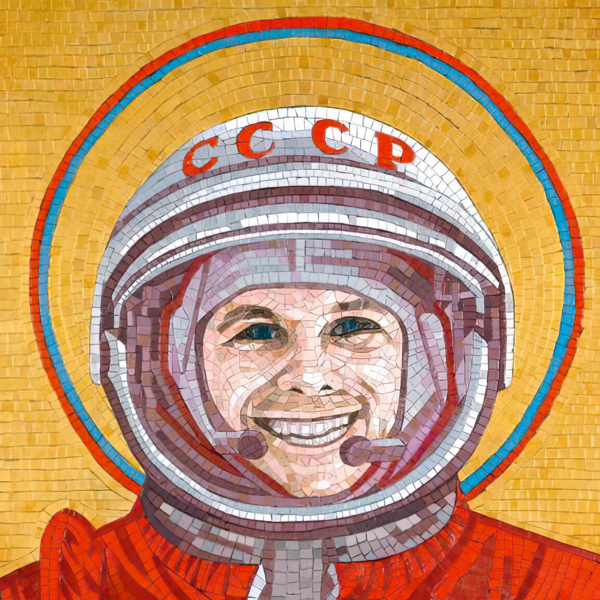

Actual question, what caused the collapse of the soviet Union? I’m sure answers will be simplifications but I wish I knew more about the history
This article makes a succinct argument, but essentially the reasons for its fall:
It’s also important to add the overarching context here which is that the US got to sit WW2 out and develop its industries while the rest of the world burned. So, when it started the Cold War, the US was far ahead economically and used its advantage to drag USSR into the arms race. And the western world has been riding that advantage ever since.
Bad reforms. Deng Xiaoping did a good job reforming China without demonising its communist history. Khrushchev chose to demonize Stalin, and in doing so compromised the integrity of the communist party. Two decades of degeneration later the party’s economic policy gets a lot worse and stagnation sets in. The rest is history.
One shouldn’t ignore the imperialist states’ contributions to the collapse.
Of course. The Soviet Union was constantly hounded by the international bourgeoisie since the day of its creation. Here I’m only referencing the lynch-pin of the collapse.
Interesting, can you expand on what you mean by Khrushchev demonizing Stalin compromising the integrity of the communist party?
I come from a liberal country so most of what I know about Stalin is just that he sucked. No idea how much of that folks on ML disagree with, whether he had many legitimate issues, or folks in your community see him as having been more demonized by western voices- I would be open to perspectives on that subject
Thanks for sharing your thoughts with me :)
Not OP, but I recall reading an essay by Carlos Martinez where he explained it as the following:
Most people, regardless of what economic system they live in, don’t really have a real understanding of that system. Consider how many people actually understand what “capitalism” is today. While the Soviets did try what they could to educate their people in this regard, it’s kind of a human thing that most people just want to live their lives and aren’t going to bother trying to figure out how they economy around them works.
So even if most people in the USSR didn’t really understand what “socialism” was, they did know that the improvement in their material conditions from the beginning of Stalin’s tenure to the end was truly incredible (and indeed, as impressive as China’s growth has been in recent decades by some measure the USSR under Stalin grew by even greater leaps). For good or ill, they associated the person of Stalin with “socialism” because Stalin was a socialist and Bolshevik revolutionary, and that period saw a massive improvement in their living conditions (WW2 notwithstanding of course).
So by denouncing Stalin, many people in the Soviet Union saw that as a de facto denunciation of socialism, since the two were so closely tied together in their minds. If you equate Stalin with socialism, and the current leaders are denouncing Stalin, then at the very least that will lead to some confused feelings about socialism.
how convenient that I’m currently skimming https://ia801605.us.archive.org/6/items/pdfy-nmIGAXUrq0OJ87zK/Khrushchev Lied.pdf
My simplest explanation is that Russia’s powerful wanted to be in charge and look out for themselves, just extracting weath from the other union members who they tried to keep in line with violence. Democracy was a farce and there were no plans to transfer power to the proletariat. This lead to separatist movements in many countries, violent and peaceful.
The Chernobyl incident seems to be the nail in the coffin, bankrupting the state if they didn’t get outside money. The Russian elite then shut the whole thing down, rigging the sell off of state assets (aka the whole economy) to create the oligarchy and an ultra capitalist Russia, and the reinvigoratation of the church and conservatism, undoing social progress too.
I’m sure there other big factors too but they’re the main ones that stuck with me, after going to dozens of museums throughout eastern Europe, the Caucasus and Russia.
I really recommend this documentary: Historical Nihilism and the Fall of the USSR
Short version: The blackmailing of oil rich Saudi Arabia and other nations by the US
I’m going to against the grain of popular theory here and
come up with my own and say the evolution of fossil fuels
did not bode well for the Soviet Union, so bad luck really.
You see, your system can be much better than the other,
but if don’t have the resources and by resources I mean energy resources,
because they provide production and transport, if you don’t have those,
you’re out of luck.
if you look at when the GDP in the Soviet Union started to stall,
it’s around 1975, five years after the 1970 US oil peak,
causing the US economy to crash and spiral out of control,
while the Soviet Union and the Middle East was thriving.
The USSR had an enormous amount of oil like the US did before,
but the problem with oil is that it competes with coal and oil is more
easy to transport, so it’s more likely for oil to flow to
the country producing the most coal than the other way around.
Prior to the 1970s, the US was the largest oil producer in the world by
far and was thus exporting oil to the rest of the world.
Since they were also producing the most coal in the world,
oil was not a curse to them as electricity provides
the basis for working factories and thus industrialization.
Saudi Arabia, a nation with almost no resources whatsoever and zero coal,
had a very long way to develop itself.
The US then used Israel to start the Yom Kippur war, which it won.
And the US then sent a diplomat to Saudi Arabia and told them that
if they don’t want more trouble, they would do exactly as the US tells
them what to do which was:
This is the petrodollar scheme and it worked.
And it didn’t just work for Saudi Arabia,
but other middle eastern countries.
On top of that SWIFT was introduced around the same time.
This allowed the US to go into massive debt,
receiving enormous amounts of money for investment,
while the Soviet Union, whose growth was dependent on selling oil,
saw it’s currency rate fall.
And we’re seeing the same playbook happening right now again,
with different factors and therefore different effects.
This time China is the target, but it is producing the most coal in the world,
the most solar power in the world, the most wind power in the world,
and the most hydro power in the world.
A low currency rate for a country that mostly sells
manufactured goods instead profoundly different effect
compared to a nation that mostly relied on
the production and export of oil.
And even the situation in Russia and Iran are different from last century
as natural gas has strengthened both nations.