

112·
20 days agoWoah woah woah. Writers are supposed to support their assertions now? But what about the vibes?!
Woah woah woah. Writers are supposed to support their assertions now? But what about the vibes?!

Does it integrate with existing communications apps? It’d be nice if it could provide a link to the preferred communication method (email, Messenger, etc). It’d also be handy if the timer resets automatically when you exchange messages with the other party.

less filling tho
a history of the Luddite movement—a group of artisans and textile workers who resisted the adoption of machines during the early years of the Industrial Revolution in England and whose resistance to being displaced from their work was met with violence by the British monarchy.
That’s a much better explanation of the Luddite movement than I was expecting.
Jesus
This habit of using headphones to dodge uncomfortable interactions may be especially common among younger adults, for whom social unease and feelings of isolation are well-documented problems that have become more common in recent decades.
The one sticking out of the pelvis.
The research showed that parents’ screen use could negatively affect their interactions with their children, and also established a connection between parents’ and children’s screen habits, with the children of heavy users developing similar habits themselves.
As another Lemmite mentioned, kids are learning behaviour from their parents.
The statement that the new commercial veneer is dying needs to be backed up: YouTube, TikTok, Spotify, and Reddit still drive traffic, despite the slop, and because of the commercialization. Meta and Facebook are doing fine.
I like what he says about the underlying protocols, but it is missing a bit of nuance: Google has been instrumental in the evolution of HTTP; SMTP became a very different game when Google (via Gmail) pushed authentication; DRM made it into browsers thanks to Google and media companies.
Commercial companies may be benefiting from open protocols, but they are also pushing them in new directions. The stack the author remembers still exists, but it has been changed by that commercial “veneer”.
Imagine wanting remuneration for time and labour.
Prophets of Done
No android app, and no API. 😞
The tap to link idea is fun though.
It explains the “my wife” reference, which isn’t immediately clear from the statement about “my husband”. At least to my pop culture illiterate brain.
The title text is necessary on this one.


Computer needs practice to get program right.




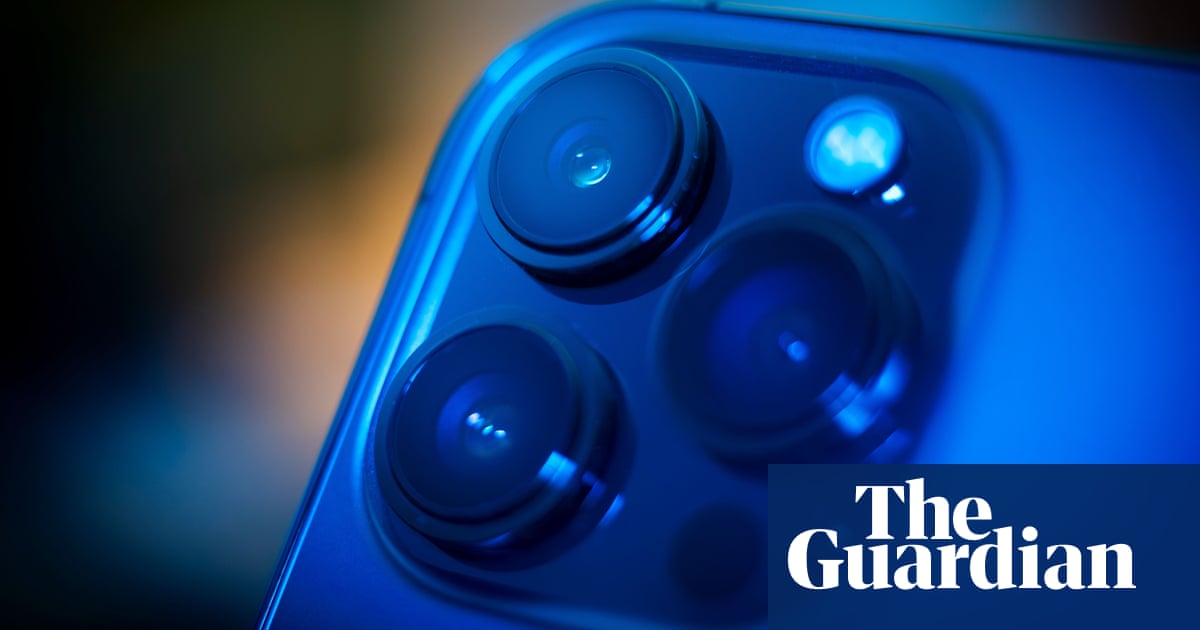





Aww yeah! I’m here for stupid hardware features. Make phones weird again!