Public transport is excellent in towns and cities, where there’s a high enough density of destinations people are trying to get to, and stops where they can get on and off the public transport, but little use anywhere more spread out. I live a few miles from the nearest town, and there aren’t many other houses around here; we have a bus service, but it’s infrequent, and it wouldn’t really make much sense to make it more frequent as there aren’t enough potential passengers. Cars make much more sense around here.
Speaking from a German perspective: We used to have a great solution to public transport in areas that are spread out: public transport infrastructure that is also spread out.
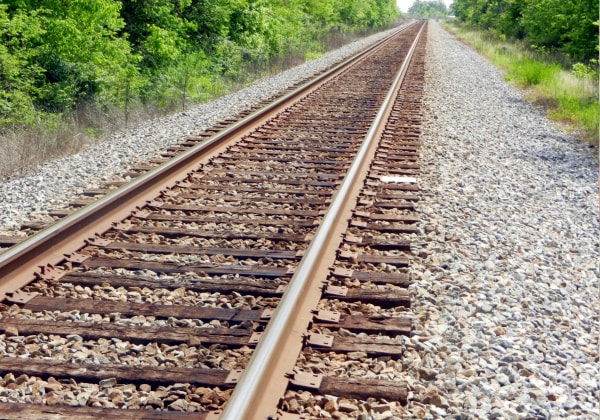
I’ve lived in several rural areas, all of which used to be connected to rail lines before those were closed down in the 70s to “modernize” transportation (for cars).
If you lived in an area without a rail connection, you’d probably drive a tractor more than a car.
Public transport is excellent in towns and cities,
A.K.A. where everybody but a negligible minority lives. Good for you for being a member of the rural exception, but it is way past time for us to stop paying inordinate attention and catering to you.
To be clear, I am absolutely in favour of public transport in towns, cities, suburban area and everywhere around them that it can be reasonably spread to, and on routes between them. As you say, that’ll cover the significant majority of the population, but we still need roads for things like last mile freight, and those of us who need to get places not served.
I lived in a major city for 20 years, and only bothered to get a car in the last few, when I had more need to travel to places outside the city, that weren’t served.
The comment I was replying to suggested stopping catering to rural populations. I was trying to respond to that, as having roads is one of the main ways of catering for them. I suppose they could be talking about this like subsidies to fossil fuels, but that doesn’t really address the earlier assertion that EVs are a stop gap.
Hot take: Cars don’t make sense for people who live a rural lifestyle in a low-density area miles from town, because they don’t really need to go anywhere that often.
If they do need to go other places often, like commuting to a job in the city, or frequent trips to stores, then that’s not a rural lifestyle. It’s an urban lifestyle transposed into a rural area, and massively subsidized by building the roads that allow them to do it.
Living outside a conurbation doesn’t mean you don’t still need access to the amenities there. You still need groceries, to get kids to school, to visit the doctor, or even maybe visit friends, either in the city, or somewhere else outside it.
Roads are going to be part of the transport mix for the forseeable future, both within towns and cities, but also linking them. We need them for transporting goods and people long distances where public transport diesn’t have a reasonable route, and we need them for the “last mile”, from a transport hub, to where we actually need to be. The more people who use public transport the better for everyone, including those who can’t use it for a particular journey. For that to happen though, there needs to be frequent local service, linking to the wider scale network, and it needs to go where people actually want.
An hourly bus service to go the few miles to the nearest villiage to buy some eggs or milk isn’t really practical as the whole process of getting there and back will take far longer than just driving.
So yes, living outside town is more awkward than living in one, but you’d have to actually imprison me to get me to do that again, it almost destroyed my mental health last time.
Living outside a conurbation doesn’t mean you don’t still need access to the amenities there. You still need groceries, to get kids to school, to visit the doctor, or even maybe visit friends, either in the city, or somewhere else outside it.
That’s an urban lifestyle.
Not that I blame people who live out in the sticks and commute into the city. The roads were there first, after all, and they’re taking advantage of conditions. It’s just a net-loss for society, and as is becoming clear, isn’t sustainable.
Are you suggesting that the only way to have a “rural” lifestyle is to grow all of your own food, act as your own doctor, and educate your children entirelt by yourself? Bear in mind that, to do even a fraction of this, you’d need lots of land, which would mean you’re a significant distance from any neighbours who might help, which would mean you’d probably need a car, or similar, anyway.


Public transport is excellent in towns and cities, where there’s a high enough density of destinations people are trying to get to, and stops where they can get on and off the public transport, but little use anywhere more spread out. I live a few miles from the nearest town, and there aren’t many other houses around here; we have a bus service, but it’s infrequent, and it wouldn’t really make much sense to make it more frequent as there aren’t enough potential passengers. Cars make much more sense around here.
Speaking from a German perspective: We used to have a great solution to public transport in areas that are spread out: public transport infrastructure that is also spread out.
I’ve lived in several rural areas, all of which used to be connected to rail lines before those were closed down in the 70s to “modernize” transportation (for cars).
If you lived in an area without a rail connection, you’d probably drive a tractor more than a car.
Rent in the city is double rural rent. We need regular public transit. Trolly even.
A.K.A. where everybody but a negligible minority lives. Good for you for being a member of the rural exception, but it is way past time for us to stop paying inordinate attention and catering to you.
in my country, 45% of the population lives in rural places
i dont think almost half the population would count as negligible
To be clear, I am absolutely in favour of public transport in towns, cities, suburban area and everywhere around them that it can be reasonably spread to, and on routes between them. As you say, that’ll cover the significant majority of the population, but we still need roads for things like last mile freight, and those of us who need to get places not served.
I lived in a major city for 20 years, and only bothered to get a car in the last few, when I had more need to travel to places outside the city, that weren’t served.
strawman argument. No one has proposed removing all roads.
The comment I was replying to suggested stopping catering to rural populations. I was trying to respond to that, as having roads is one of the main ways of catering for them. I suppose they could be talking about this like subsidies to fossil fuels, but that doesn’t really address the earlier assertion that EVs are a stop gap.
Hot take: Cars don’t make sense for people who live a rural lifestyle in a low-density area miles from town, because they don’t really need to go anywhere that often.
If they do need to go other places often, like commuting to a job in the city, or frequent trips to stores, then that’s not a rural lifestyle. It’s an urban lifestyle transposed into a rural area, and massively subsidized by building the roads that allow them to do it.
Living outside a conurbation doesn’t mean you don’t still need access to the amenities there. You still need groceries, to get kids to school, to visit the doctor, or even maybe visit friends, either in the city, or somewhere else outside it.
Roads are going to be part of the transport mix for the forseeable future, both within towns and cities, but also linking them. We need them for transporting goods and people long distances where public transport diesn’t have a reasonable route, and we need them for the “last mile”, from a transport hub, to where we actually need to be. The more people who use public transport the better for everyone, including those who can’t use it for a particular journey. For that to happen though, there needs to be frequent local service, linking to the wider scale network, and it needs to go where people actually want.
An hourly bus service to go the few miles to the nearest villiage to buy some eggs or milk isn’t really practical as the whole process of getting there and back will take far longer than just driving.
So yes, living outside town is more awkward than living in one, but you’d have to actually imprison me to get me to do that again, it almost destroyed my mental health last time.
That’s an urban lifestyle.
Not that I blame people who live out in the sticks and commute into the city. The roads were there first, after all, and they’re taking advantage of conditions. It’s just a net-loss for society, and as is becoming clear, isn’t sustainable.
Are you suggesting that the only way to have a “rural” lifestyle is to grow all of your own food, act as your own doctor, and educate your children entirelt by yourself? Bear in mind that, to do even a fraction of this, you’d need lots of land, which would mean you’re a significant distance from any neighbours who might help, which would mean you’d probably need a car, or similar, anyway.